Prayer to Mary of Perpetual Help: Essential, Practical 5-Step Guide
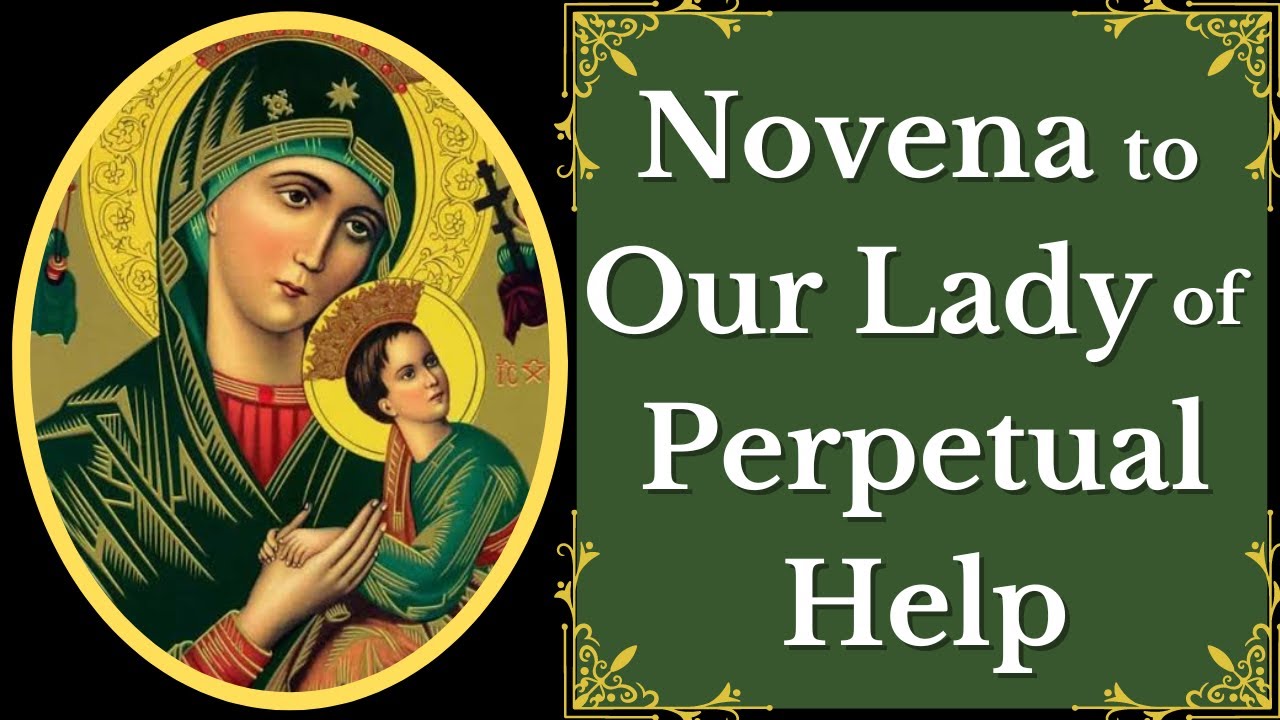
Prayer to Mary of Perpetual Help: meaning, history, and how to pray
The prayer to Mary of Perpetual Help is a beloved Catholic devotion that brings countless people quiet strength in times of worry, gratitude in moments of joy, and a sense of steady companionship on the journey of faith. Whether you are returning to prayer after a long pause, or you pray daily and wish to deepen your practice, the prayer to Mary of Perpetual Help offers a gentle, structured way to bring your needs before God with the motherly intercession of the Virgin Mary.
In this guide, you will find the background and significance of the devotion, practical steps for saying the prayer to Mary of Perpetual Help at home or in church, a model prayer you can adapt, and tips for keeping your prayer life simple, sincere, and sustainable. You will also learn common misconceptions to avoid and how to integrate this devotion into everyday life with confidence and clarity.
The heart of the prayer to Mary of Perpetual Help is trust—trust that, as the Mother of Jesus, Mary always leads us to Him. Many people turn to this prayer in seasons of illness, family difficulty, employment stress, and personal discernment, not because it is a “magic formula”, but because it cultivates hope, perseverance, and an openness to God’s will.
What is the prayer to Mary of Perpetual Help?
The prayer to Mary of Perpetual Help is an appeal to the Blessed Virgin under the title “Our Lady of Perpetual Help” (also called “Our Mother of Perpetual Help”). It is associated with a famous icon—a painted image—of Mary holding the Child Jesus, flanked by angels. The prayer asks Mary’s intercession so that God’s help will be unfailing—“perpetual”—in our lives. While Catholics commonly recite it as part of a novena, many Christians and seekers also find the devotion helpful as a daily or weekly prayer of trust.


In essence, the prayer to Mary of Perpetual Help is a way of asking Mary to carry our petitions to her Son and to help us align our hearts with His. Prayed with faith and humility, it encourages both confidence in God’s mercy and the courage to act with integrity and love.
Origins and symbolism of the icon
Our Lady of Perpetual Help is an old Byzantine icon believed to date from the late 15th century. Today, the original icon is housed in the Church of St. Alphonsus Liguori in Rome. In the image, the Child Jesus looks towards the instruments of His Passion held by the Archangels Michael and Gabriel, and clings to His mother’s hand. Mary’s solemn gaze meets the viewer, inviting reflection and prayer.
The Redemptorists and the spread of the devotion
The Redemptorists, a Catholic religious congregation, were entrusted with the care of the icon in the 19th century. Through their mission work and teaching, devotion to Our Mother of Perpetual Help spread across the world. Today, in many places, you can find weekly novena prayers and public devotions on Wednesdays, often called “Perpetual Help Wednesdays”.
Key symbols and their meaning
- Mary’s star and mantle: Her mantle symbolises her maternal protection; the star points to her role in guiding us to Christ.
- The angels and the instruments of the Passion: The cross, spear, and nails remind us of Christ’s saving love and Mary’s steadfast presence.
- The hands: Jesus’ hand in Mary’s conveys trust; Mary’s pointing hand directs us to her Son.
Why people turn to the prayer to Mary of Perpetual Help
People turn to the prayer to Mary of Perpetual Help for many reasons. Some seek peace in anxiety; others ask for help in family concerns, financial challenges, moral decisions, or physical and mental health. The devotion offers a familiar rhythm and a consoling presence, particularly when life feels uncertain or overwhelming.
- For spiritual steadiness: It provides words when you are lost for what to say, and structure when you need discipline in prayer.
- For family and relationships: Many pray for reconciliation, patience, and the strength to love consistently.
- For illness or caregiving: The prayer invites courage, trust, and the grace to endure with hope.
- For work and livelihood: People ask for wisdom in decisions, fairness in work, and provision for daily needs.
- For discernment: It encourages a listening heart and freedom to do what is right, not merely what is convenient.
In all of these, the devotion reminds us that Mary never keeps us at herself; she always points towards Christ. The prayer is ultimately Christ-centred, asking that we may follow Jesus faithfully with Mary’s help.
How to pray the prayer to Mary of Perpetual Help
You can say the prayer to Mary of Perpetual Help at any time, on your own or with others, at home or in church. While there is a traditional novena format, you can begin simply and build a pattern that suits your life. What matters most is sincerity and attentiveness to God.
Step-by-step outline
- Set the scene. Choose a quiet place. You may light a candle or place an image of Our Lady of Perpetual Help nearby.
- Gather yourself. Take a few slow breaths. Ask for the grace to pray honestly.
- Begin with a sign of faith. If you are comfortable, make the sign of the cross and quietly invite the Holy Spirit to guide you.
- Address Mary. Speak to Mary as Mother and intercessor, remembering that she leads you to Jesus.
- Present your needs. Be specific. Name people and situations. Ask for wisdom, strength, and trust.
- Unite your prayer with Jesus. Offer your intentions through Christ and surrender the outcome to God’s will.
- Conclude with gratitude. End by thanking God for His mercy and Mary for her motherly care, and if you wish, pray “Mother of Perpetual Help, pray for us.”
- Optional: Add a decade of the Rosary or a short reading from Scripture to deepen your meditation.
A simple model prayer you can adapt
Mother of Perpetual Help, I come to you with trust. You know my worries and hopes. Hold me close to your Son, Jesus, and ask Him to pour His mercy upon me and those I love. Teach me to do whatever He tells me, to choose what is right, and to grow in faith, hope, and charity. In times of weakness, be my strength; in times of confusion, be my guide; and in times of joy, teach me to give thanks. Mother of Perpetual Help, pray for us, now and always. Amen.
You can use this text when saying the prayer to Mary of Perpetual Help, add your own words, or create a brief, personal version that fits your circumstances. Keep it heartfelt and clear rather than long and complicated.
Helpful tips for a meaningful practice
- Keep it regular. Short daily prayers often sustain more than rare long ones.
- Write your intentions. A small notebook helps you pray concretely and to recognise answered prayers.
- Link prayer to action. Let your prayer shape your choices—apologise, forgive, act justly, get professional help when needed.
- Pray with Scripture. A few lines from the Gospels can focus your heart.
- Join others. If possible, attend a weekly Perpetual Help novena at a local parish for support and encouragement.
Basic concepts behind this devotion
Intercession and Christ-centred devotion
Catholics believe that asking Mary and the saints to pray for us is similar to asking a trusted friend to intercede—a practice rooted in the unity of the Church. The prayer to Mary of Perpetual Help, therefore, is not worship of Mary; it is a request for her prayers, so that we might follow Christ more closely. Mary’s constant theme is, “Do whatever he tells you.”
Novena tradition
A novena is a nine-day cycle of prayer. Many churches offer a weekly novena service for Our Mother of Perpetual Help with hymns, petitions, and blessings. If your parish has one, consider joining; if not, a personal nine-day novena at home is a good way to begin or intensify this devotion.
Common mistakes and misconceptions about the prayer to Mary of Perpetual Help
- Treating it as a guarantee of a specific outcome. The prayer to Mary of Perpetual Help is a pathway to trust in God, not a contract. We ask boldly, and we accept God’s wisdom in the answer.
- Thinking you must use one fixed text. While there are beloved traditional versions, heartfelt words—spoken with reverence—are welcome.
- Confusing devotion with superstition. Avoid treating religious items or formulas as charms. The goal is deeper love for God and neighbour.
- Praying without action. If you are praying for healing or help, also take practical steps—seek medical care, ask advice, reconcile with others, pursue justice.
- Neglecting silence. A few moments of quiet can make the prayer to Mary of Perpetual Help more attentive and fruitful.
Integrating this devotion into daily life
If you are new to the prayer to Mary of Perpetual Help, start small. Choose a regular time—morning, commute, or evening—and keep the practice consistent. Over time, you may add a weekly novena, a Scripture reading, or a decade of the Rosary. Families sometimes place an icon on a small table and gather briefly each Wednesday to pray for one another’s needs. Individuals might keep a simple ritual: a candle, a short prayer, and a moment of quiet before bed.
Remember that prayer shapes character. As you pray, look for concrete ways to embody your intentions: offering help, making amends, or setting healthy boundaries. The grace you ask for should flow outward in compassion and integrity.
Internal and external connections to deepen your practice
To build a steady rhythm of prayer beyond a weekly devotion, it helps to understand how prayer can infuse your day. For a brief, Scripture-based reflection on continual prayer, see what it means to pray without ceasing. And because heartfelt prayer often leads us to change, you may also value guidance on examining your life and making amends in how to repent for your sins.
If you would like to explore the history and meaning of this devotion further, recognised institutions provide helpful overviews and background material, including the icon’s origins and the Redemptorists’ mission.
Recommended external resources
- Background and history of Our Lady of Perpetual Help (Wikipedia) – a balanced introduction to the icon and devotion.
- Official shrine of Our Mother of Perpetual Help in Rome (Church of St. Alphonsus) – information on the original icon and pilgrim visits.
- International Redemptorist news and resources – updates and articles about the mission promoting this devotion.
- National Shrine of Our Mother of Perpetual Help (Baclaran, Philippines) – novena schedules, prayers, and community initiatives.
Related articles
Frequently asked questions about prayer to mary of perpetual help
Is the prayer to Mary of Perpetual Help only for Catholics?
No. While the devotion comes from Catholic tradition, many Christians and seekers are drawn to it. Anyone who wishes to ask Mary to pray for them can use the prayer, always remembering that the ultimate focus is drawing closer to Jesus.
How often should I say the prayer to Mary of Perpetual Help?
There is no strict rule. Many people pray it daily in a short, simple form and join a weekly novena at church if available. Choose a rhythm you can sustain: consistency matters more than length. Even a minute or two each day can be powerful.
What should I do if my prayer seems unanswered?
It is natural to feel discouraged. Continue to pray with trust, and ask for the grace to recognise the help God is already giving—perhaps in patience, perspective, or unexpected support. The prayer to Mary of Perpetual Help is not a guarantee of a specific outcome but an invitation to grow in faith, hope, and love.
Can I write my own prayer to Mary of Perpetual Help?
Yes. Many find it helpful to use a traditional version, but you can certainly write a personal prayer in your own words. Keep it honest and Christ-centred, and consider ending with a short invocation such as “Mother of Perpetual Help, pray for us.”
What is a novena, and do I have to do nine days?
A novena is a nine-day sequence of prayer, often used to prepare for a feast or to ask for a particular grace. The nine days are a long-standing tradition, but you are free to adapt the practice. It is better to pray faithfully in a manageable way than to give up a pattern that is too demanding.
Is praying to Mary the same as worshipping her?
No. In Catholic understanding, worship belongs to God alone. When we say the prayer to Mary of Perpetual Help, we ask for Mary’s intercession—her prayers on our behalf—so that we may follow Christ more faithfully. Mary always points us to her Son.
What if I get distracted or forget?
Distractions are common. Simply return your attention to God when you notice your mind has wandered. If you miss a day, begin again without guilt. The goal is not perfection, but a growing relationship with God nurtured by regular prayer.
Conclusion on prayer to mary of perpetual help
The prayer to Mary of Perpetual Help is a simple yet profound way to bring your life before God with confidence. Rooted in an ancient icon and a living tradition, it places your needs in the hands of a loving Mother who always directs you to Jesus. Whether you are praying for family challenges, health concerns, work decisions, or quiet strength, this devotion can anchor your heart in hope.
Begin gently: choose a brief daily time, speak to Mary honestly, and let your prayer shape your actions. When possible, join a community novena; when not, pray at home with sincerity. Over time, the prayer to Mary of Perpetual Help will help you recognise God’s presence in both the ordinary and the difficult, teaching you to trust, to persevere, and to give thanks.
Above all, remember that this devotion is not about perfect words but about a faithful relationship. As you continue the prayer to Mary of Perpetual Help, may you find steady encouragement, wise guidance, and the peace that comes from walking closely with Christ.
